
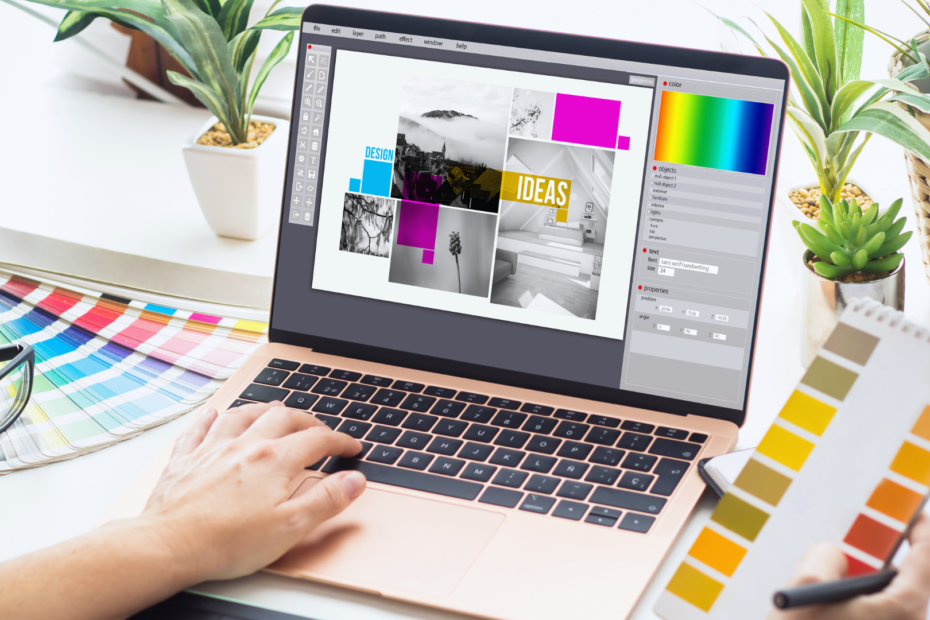
Digital art has transformed the landscape of creativity, evolving from simple graphics to complex, immersive experiences. This rise can be attributed to advancements in technology, widespread access to digital tools, and an increasingly online art community. Artists are now able to reach larger audiences, showcasing their work in formats that were previously unimaginable.
The emergence of platforms dedicated to digital art has also played a key role in this trend. Artists can share their creations instantly, receive feedback, and connect with other creatives around the world. This network fosters collaboration and innovation, pushing the boundaries of what art can be.
As digital art continues to grow, it challenges traditional notions of artistry and ownership. The exploration of digital mediums has opened new avenues for expression, making art more accessible and dynamic. This evolution raises important questions about the future of art in a digital age.
Evolution of Digital Art
Digital art has transformed significantly since its inception, shifting from basic pixelated images to complex vector graphics and intricate digital paintings. This evolution has been influenced by technology, cultural shifts, and advancements in software, all contributing to its growing prominence in art and design.
From Pixels to Vector Graphics
In the early days of digital art, images were primarily created using raster graphics. These pixel-based representations allowed for vibrant colors but often lacked scalability. As technology advanced, vector graphics emerged, utilizing mathematical equations to create images.
Vector graphics permitted artists to resize images without loss of quality, making them ideal for logos, illustrations, and animations. Programs like Adobe Illustrator became essential tools for designers. The flexibility of vector art has led to its widespread use across various digital platforms, establishing a new standard in digital creation.
Digital Art in Popular Culture
Digital art has increasingly infiltrated popular culture, affecting various sectors such as fashion, film, and gaming. Artists often use digital mediums to create iconic visuals that resonate with audiences.
Video games utilize digital art for character design and immersive environments. Animation studios leverage digital techniques for filmmaking, enhancing storytelling through visually stunning graphics. Social media platforms also serve as a canvas for digital artists, who share their work widely, engaging new audiences and fostering a community.
Advancements in Digital Art Software
The development of sophisticated software has played a crucial role in the evolution of digital art. Tools like Photoshop, Corel Painter, and Procreate offer artists a range of features for creativity. These applications allow for various techniques, from traditional painting styles to modern digital effects.
Emerging technologies like virtual and augmented reality have further expanded the possibilities for digital art, creating immersive experiences that were previously unimaginable. With ongoing enhancements and user-friendly interfaces, artists can explore new dimensions of creativity, making digital art more accessible than ever.
Influence of Technology on Artistic Creation
Technology has significantly reshaped how artists create and share their work. Innovations such as graphics tablets, 3D modeling, and artificial intelligence have transformed the artistic landscape, empowering creators with new tools and methods.
Graphics Tablets and Digital Brushes
Graphics tablets have revolutionized digital painting and illustration. These devices allow artists to draw directly on a screen, closely mimicking traditional media.
- Pressure Sensitivity: Many tablets feature pressure-sensitive technology. This allows artists to control line thickness and opacity based on the pressure applied.
- Customizable Brushes: Digital brushes can be tailored to simulate various textures. Artists can create their unique styles, replicating watercolors, oils, or pastels with precision.
- Layering Capabilities: Digital platforms enable extensive layering. Artists can manipulate each layer independently, providing flexibility and control in their artwork.
3D Modeling and Rendering
3D modeling has introduced a new dimension to artistic creation. It allows artists to build three-dimensional representations of their concepts.
- Software Options: Programs like Blender and Maya provide extensive tools for sculpting and detailing. Artists can create intricate models that would be difficult to achieve in traditional formats.
- Rendering Techniques: Advanced rendering engines produce realistic lighting and textures. This capability enhances the visual quality and realism of the artwork. Moreover, using a blender render farm can help distribute the workload across multiple computers to reduce the time it takes to generate a final image or animation.
- Interactivity: 3D art can be integrated into virtual environments. Artists can design interactive experiences that engage viewers in new ways, particularly in gaming and virtual reality.
Artificial Intelligence in Art
Artificial intelligence is emerging as a pivotal tool in art creation. It offers new avenues for exploration and expression.
- Generative Art: AI algorithms can create art autonomously, generating unique pieces based on data inputs. This gives artists a collaborative partner for innovation.
- Style Transfer: Techniques such as neural style transfer allow artists to apply the style of one image to another. This opens up new possibilities for blending and experimenting with artistic styles.
- AI-Assisted Tools: Software applications enhance traditional artistic practices. These tools can suggest color palettes, refine techniques, or automate repetitive tasks, increasing overall efficiency.
Each technological advancement contributes to a richer, more varied artistic process, allowing artists to explore new ideas and forms.
Digital Art Markets and Monetization
The landscape of digital art markets has evolved significantly. Artists now have various platforms to monetize their work effectively. This section focuses on the mechanisms available for artists to reach audiences and generate income.
Online Art Galleries
Online art galleries serve as key platforms for digital artists. They allow artists to showcase their work in curated environments. Several prominent galleries include:
- Saatchi Art
- Artfinder
- SuperRare
These platforms often provide artists with exposure to international buyers. They can offer various features such as virtual exhibitions and artist profiles. The commission structures can vary; typically, galleries might take a percentage of sales, ranging from 20% to 50%.
Furthermore, online art galleries often have tools for marketing and promotion. This support can be invaluable for emerging artists. Many galleries implement strategies to drive traffic and help artists build their brand.
Social Media as a Platform
Social media has transformed how digital artists connect with audiences. Platforms like Instagram and TikTok allow artists to share their work and engage with followers effectively.
Artists can showcase their portfolios, process videos, and behind-the-scenes content. This transparency fosters community engagement and direct interaction with potential buyers.
Monetization through social media may involve collaborations with brands, sponsored posts, or selling prints directly to followers. Many artists set up shops on platforms like Instagram, which link to their online stores.
Additionally, social media algorithms favor engaging content, which can increase visibility. This increased visibility is critical for artists attempting to build a fan base.
Cryptocurrency and NFTs
The introduction of cryptocurrency and non-fungible tokens (NFTs) has revolutionized digital art monetization. Artists can create and sell unique digital assets using blockchain technology.
NFT marketplaces such as OpenSea and Rarible enable artists to mint their work as tokens. This process ensures ownership and provenance, which are essential in art sales.
Artists often set their prices in cryptocurrencies like Ethereum. The benefits include lower transaction fees compared to traditional art sales. Additionally, NFT sales can provide artists with royalties on secondary sales, allowing them to earn ongoing revenue.
The NFT market has attracted significant attention, but it is important for artists to navigate this space carefully. Understanding the market and its fluctuations can influence their financial success.
Challenges and Criticism
Digital art faces significant challenges, particularly regarding authenticity and ecological impact. These concerns shape the conversation around its legitimacy and sustainability.
Authenticity and Copying Concerns
One major issue in digital art is the ease of copying and distributing works. The digital nature allows for art to be reproduced without any loss of quality, which raises questions about originality. Artists may find it difficult to prove their work is authentic, leading to widespread concerns about plagiarism.
Collectors might hesitate to invest in digital pieces, fearing their value could diminish due to duplication. The rise of NFTs (Non-Fungible Tokens) aims to address these issues by providing verifiable ownership records. Still, skepticism persists about whether these solutions can truly safeguard originality in a digital landscape.
Sustainability and Ecology of Digital Art
The environmental impact of digital art is another critical aspect. The servers and devices necessary for storing and displaying digital artwork consume substantial energy. This can lead to a significant carbon footprint, raising concerns among environmentally conscious artists and consumers.
Moreover, the production of hardware required to create digital art, such as tablets and computers, entails resource extraction and manufacturing processes that also affect the planet. As digital art continues to grow in popularity, addressing these environmental challenges is essential to ensure a more sustainable future for the medium.