
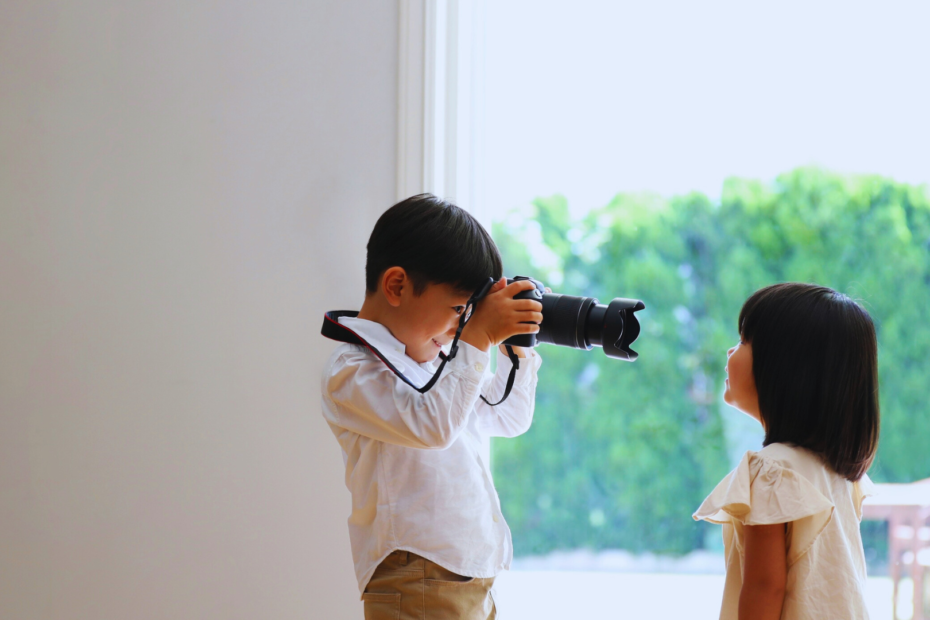
Capturing candid moments is both an art and a skill that many photographers strive to master. Whether it’s the joy of a child’s laughter or the intimacy of a shared glance between friends, these spontaneous instances often reflect genuine emotions. To effectively capture these fleeting moments, one must be observant and ready to click at the right time without interrupting the scene.
The choice of location and lighting can significantly impact the quality of candid photography. By familiarizing oneself with the environment, a photographer can anticipate moments that would otherwise go unnoticed. The key lies in blending into the background, allowing the subjects to remain natural and uninfluenced by the presence of a camera.
Practicing patience is essential in this endeavor. Observing interactions and being attuned to the emotions of the subjects lead to authentic captures. The real magic happens when the observer becomes part of the scene, allowing moments to unfold organically without interruption.
Understanding Candid Photography
Candid photography captures spontaneous moments without posed subjects. It aims to document real emotions and interactions as they occur naturally.
Key characteristics include:
- Authenticity: Candid shots reveal genuine expressions and feelings.
- Unobtrusiveness: The photographer often remains unnoticed, allowing subjects to act naturally.
- Storytelling: Each image tells a unique story, highlighting the dynamics between people.
To excel in candid photography, consider these tips:
- Be Patient: Wait for the right moment without forcing a scene.
- Blend In: Use a smaller camera or stay in the background to avoid attracting attention.
- Observe: Pay attention to surroundings and subjects’ interactions.
Technical aspects also play a role:
- Fast Shutter Speed: This prevents motion blur during spontaneous movements.
- Wide Aperture: A larger aperture helps isolate subjects from the background.
- Continuous Shooting Mode: This captures a series of moments quickly.
Candid photography offers a different perspective that reveals the true essence of a moment. Engaging with the environment can lead to unexpected and remarkable captures.
Equipment and Settings
Choosing the right equipment and settings is essential for capturing candid moments effectively. This includes selecting an appropriate camera, lens, and specific settings that maximize the chances of getting those spontaneous shots.
Choosing the Right Camera
The choice of camera significantly impacts the quality of candid photography. DSLRs and mirrorless cameras are ideal due to their fast autofocus and ability to handle various lighting conditions.
- Camera Types:
- DSLRs: Robust performance and extensive lens options.
- Mirrorless: Lightweight with advanced features for speed and focus.
Look for a camera that performs well in low light and has a fast burst mode. Having a camera with silent shooting capabilities can also help in not disturbing the moment.
Lens Selection
Choosing the right lens is crucial for candid photography. A versatile zoom lens is often the best option, allowing for flexibility in various situations.
- Recommended Lenses:
- 24-70mm f/2.8: Excellent for versatility and low-light performance.
- 50mm f/1.8: Great for portraits with a pleasant background blur.
Lens choice affects depth of field and the ability to isolate subjects. A lens with a larger aperture allows for better subject focus while softly blurring the background, enhancing the candid effect.
Camera Settings for Candid Shots
Proper camera settings can make a significant difference in capturing candid moments.
- Key Settings:
- Shutter Speed: Use at least 1/250s to freeze motion.
- Aperture: Opt for a wide aperture (f/2.8 or lower) for better subject isolation.
- ISO: Adjust based on lighting conditions; keep ISO lower in bright light and increase it in dim settings.
Using continuous autofocus (AF-C) can help keep moving subjects sharp. It’s beneficial to shoot in Aperture Priority mode to maintain control over depth of field while letting the camera adjust the shutter speed automatically.
Mastering the Technique
Capturing candid moments requires a blend of observation and skill. The photographer must remain adaptable, ready to capture emotions and actions as they unfold naturally.
Key Techniques:
- Stay Prepared: Keep the camera ready at all times. Quick access allows for spontaneous captures.
- Use a Longer Lens: A zoom lens can help create distance, making subjects more comfortable and less aware of the camera.
- Focus on Composition: Pay attention to framing and background. A well-composed image strengthens the candid moment.
Tips for Engagement:
- Observe: Watch for interactions and reactions. Anticipating moments helps the photographer be in the right place at the right time.
- Blend In: Avoid drawing attention to oneself. Casual clothing and behavior help subjects act naturally.
- Use Natural Light: Natural light often produces a more appealing atmosphere. Avoid flash to maintain the spontaneity of the moment.
Practice Regularly:
Frequent practice enhances skills over time. The more often they shoot candidly, the better they will understand timing and positioning. By mastering these techniques, the photographer can capture genuine moments that tell a story without interference.
The Art of Observation
Capturing candid moments hinges on a keen ability to observe the environment and anticipate interactions. Understanding how to position oneself effectively enhances the chances of capturing fleeting expressions and actions.
Anticipating Moments
Anticipating moments involves being aware of the dynamics in a scene. This requires observing body language, interactions, and the natural flow of movement among subjects.
- Watch for cues: Look for facial expressions and gestures that indicate a forthcoming interaction.
- Focus on groups: People in groups often display more candid behavior. Pay attention to their conversations and laughter.
- Recognize patterns: Familiarize oneself with routines or rituals in social settings. This knowledge aids in predicting when significant moments will arise.
By honing observation skills, individuals increase their chances of capturing genuine emotions in action.
Positioning and Angles
Effective positioning can significantly impact the quality of candid photographs. Choosing the right angle allows for better framing of moments as they unfold.
- Find the sweet spot: Position oneself at an angle where the subject feels comfortable. Avoid direct stares to prevent interruption of natural behavior.
- Utilize the environment: Use surrounding elements, such as doorways or windows, to create depth in photos while staying unobtrusive.
- Move fluidly: Whether standing or walking, maintaining a low profile helps to capture spontaneous moments without interference.
With thoughtful positioning, the likelihood of capturing authentic and memorable moments increases.
Composition and Framing
Effective composition and framing are essential for capturing candid moments that resonate with viewers. By following specific techniques, a photographer can create balanced and engaging images that draw attention to the subject.
Rule of Thirds in Candid Photography
The Rule of Thirds is a foundational principle in photography that enhances compositional balance. By dividing the frame into a grid of nine equal parts using two vertical and two horizontal lines, a photographer can position the main subject along these lines or at their intersections.
This technique encourages the placement of subjects more dynamically compared to merely centering them. For instance, a child playing might be positioned on one side of the frame, allowing space for their movement. Utilizing this method helps create a sense of depth and draws the viewer’s eye naturally across the image.
Background and Foreground
Attention to background and foreground elements significantly impacts the overall composition of a candid photograph. A cluttered background can distract from the main subject, while a clean one can enhance it. Photographers should look for backgrounds that complement or contrast with the subject.
Incorporating foreground elements can add depth and context to the image. For example, framing a subject with nearby leaves or objects can create layers, making the photo feel more immersive. Carefully choosing what to include or exclude ensures that the focus remains on the intended subject.
Leading Lines and Patterns
Leading lines guide the viewer’s eye toward the main subject, creating a natural flow within the image. Roads, paths, or even architectural lines serve as effective leading lines. Photographers should look for existing lines in the environment that draw attention to the candid moment.
Patterns can also add interest and structure to a photograph. Repeating shapes or colors can create visual harmony and enhance the overall aesthetic. For instance, capturing a child playing against a backdrop of diagonal lines can make the scene more compelling. Using leading lines and patterns effectively elevates the composition and anchors the subject within the frame.
Lighting for Candid Photography
Lighting plays a crucial role in candid photography. Natural light often yields the best results. It creates soft shadows and enhances colors without harsh contrasts.
When shooting outdoors, consider the time of day. The golden hour, shortly after sunrise or before sunset, offers warm tones and flattering light. In contrast, the midday sun can create harsh shadows and overexposed highlights. When indoors, position subjects near windows. This technique allows for soft, diffused light. Using a reflector can help bounce light onto the subject, brightening shadows without overwhelming them.
Recommended Lighting Tips:
- Avoid direct sunlight: Look for shaded areas to soften the light.
- Use ambient light: Retain the natural feel by utilizing existing light sources.
- Experiment with backlighting: This adds depth and outlines subjects beautifully.
Portable flash or external light sources can enhance indoor candid shots. Make sure to diffuse the light to keep it soft and natural. Understanding light direction is essential. Front lighting flattens the image, while side lighting adds dimension. Candid photography thrives on spontaneity, so he or she may need to adjust settings quickly. A flexible camera setting for low-light conditions can help capture unexpected moments efficiently.
Interacting with Subjects
Effective interaction with subjects enhances candid photography by fostering a natural atmosphere. This section discusses vital strategies for building rapport and subtly directing subjects without interrupting their spontaneity.
Building Rapport
Establishing trust between the photographer and the subject is crucial for capturing genuine emotions. Engaging in light conversation can create a relaxed environment.
- Use open-ended questions. This encourages subjects to share thoughts and feelings, making them more comfortable.
- Compliment them. A genuine compliment can alleviate tension and invite authenticity.
Physical presence matters. Leaning slightly towards the subject during a conversation can convey attentiveness. Establishing rapport not only leads to better expressions but can also result in more candid moments as subjects feel less inhibited.
Directing Without Posing
While spontaneity is vital, some guidance can enhance the composition and emotional depth of an image. The key is to direct subtly, avoiding stiff poses.
- Use verbal cues. Phrases like “Let’s move a bit to the left” keep the interaction casual, yet effectively position the subject.
- Observe body language. Noticing shifts in posture can inform how to guide subjects without making it obvious.
Encouraging natural movements, like asking subjects to walk or laugh, can lead to genuine interactions.
The aim is to influence the scene while maintaining a relaxed, candid feel, resulting in images that reflect true emotions and moments.
Ethical Considerations
Capturing candid moments involves navigating complex ethical terrain. Photographers must consider individuals’ privacy and abide by legal regulations regarding street photography.
Respecting Privacy
Privacy is a crucial aspect when capturing candid moments. Photographers should be aware that not everyone is comfortable being photographed without consent. It is essential to assess the surroundings and the context before taking a shot.
Some strategies to respect privacy include:
- Observe Body Language: Look for signs that individuals are comfortable or uncomfortable in public spaces.
- Engage if Possible: If circumstances allow, approach individuals and ask for permission after taking a shot.
- Avoid Sensitive Situations: Steer clear of capturing people in vulnerable moments, such as during crises or personal distress.
By prioritizing privacy, photographers not only adhere to ethical standards but also foster trust within the community.
Legal Aspects of Street Photography
Understanding the legal framework governing street photography is vital. Laws can vary significantly by location, affecting what is permissible when photographing candidly.
Here are important legal considerations:
- Public vs. Private Spaces: Generally, photography in public spaces is allowed, but private property may require permission.
- Model Releases: Obtaining a model release is advisable when planning to use images commercially. Without it, individuals may have grounds to contest the use of their likeness.
- Local Laws: Familiarize oneself with local regulations, such as laws related to harassment or capturing minors.
By being informed about legal considerations, photographers can protect themselves and respect others while capturing candid moments.
Post-Processing Techniques
Post-processing is essential for enhancing candid moments captured in photography. It allows the photographer to refine images and bring out the desired qualities.
- Cropping
Adjusting the framing can improve composition. Remove distractions and focus on the subject. - Color Correction
Correcting colors can make images more vibrant. Use tools to adjust white balance and saturation. - Sharpening
Apply sharpening to enhance details. It can help make the subject stand out against a blurred background. - Noise Reduction
Candid shots taken in low light may have noise. Use noise reduction tools to create a smoother image. - Contrast Adjustment
Enhancing contrast can add depth. This technique highlights the difference between light and dark areas. - Filters and Presets
Consider using filters for a specific mood. Presets can save time and provide a consistent look across multiple images. - Black and White Conversion
Some candid moments are powerful in monochrome. Converting to black and white can emphasize emotions. - Dodge and Burn
This traditional technique manipulates exposure. It can highlight certain areas while darkening others for dramatic effect.
Utilizing these post-processing techniques can significantly improve the quality and emotional impact of candid photographs. Each step should be performed with care to maintain the authenticity of the moment.
Building a Portfolio of Candid Moments
Creating a portfolio of candid moments requires thoughtful selection and organization. Photographers should focus on diversity in subjects and settings.
A strong portfolio typically includes:
- Family gatherings: Capture genuine interactions.
- Events: Showcase the atmosphere and emotions.
- Street photography: Document everyday life and spontaneity.
- Travel shoots: Reflect different cultures and experiences.
Editing plays a critical role. Each image should reflect the photographer’s style. Consistency in tone and color enhances cohesiveness.
Key points to consider:
- Curate thoughtfully: Select only the best images that tell a story.
- Show variety: Different angles and perspectives make a strong impact.
- Quality over quantity: A few powerful images are better than many mediocre ones.
Presenting images can also affect how they are perceived. A clean layout with ample white space allows for a more pleasant viewing experience. Including brief captions can provide context, helping viewers connect with the moments captured.
Advice: Regularly update the portfolio to reflect new skills and experiences. Showing growth is important in demonstrating expertise. Networking with other photographers for feedback can provide valuable insights. This will contribute to continuous improvement and help in building a unique style.