
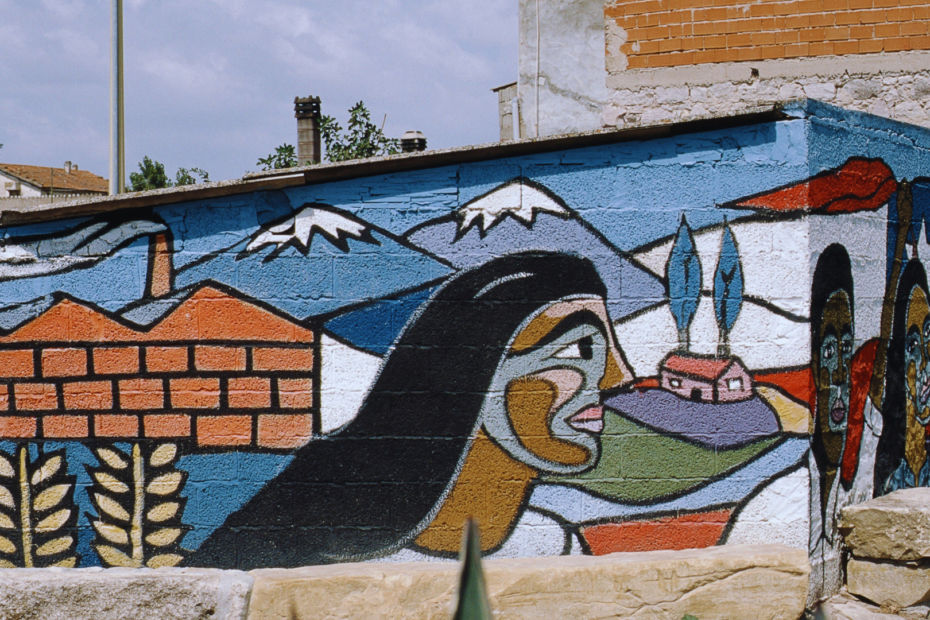
Murals serve as powerful tools in reshaping community identity, bringing color and life to urban landscapes that often feel monotonous. By transforming blank walls into vibrant canvases, these works of public art encourage community engagement and pride. Murals can reflect a community’s history, culture, and aspirations, making them a vital aspect of local identity.
As artists collaborate with residents, murals can tell stories that resonate with both long-time inhabitants and newcomers alike. This communal involvement fosters a sense of ownership, creating not just art but a deeper connection among residents. The presence of murals can also attract visitors, stimulating local economies and enhancing the overall aesthetic appeal of neighborhoods.
In areas with social or economic challenges, murals can act as a unifying force, sparking conversations and promoting healing. These artistic expressions can symbolize resilience and hope, inviting dialogue about the community’s past and future. By investing in murals, communities can reimagine their spaces and solidify a unique identity that celebrates diversity and creativity.
The Impact of Murals on Community Identity
Murals serve as powerful instruments for shaping community identity by reflecting cultural heritage and addressing social issues. They create visual narratives that encapsulate local history and shared experiences, fostering a sense of pride among residents.
Cultural and Social Significance
Community murals often depict themes that resonate with the values and stories of local populations. They can highlight important social issues such as diversity, inclusion, and justice, connecting individuals through a common visual language.
By portraying cultural heritage, these murals celebrate local traditions and history. This connection to the past helps reinforce a collective identity among residents, allowing them to appreciate their unique backgrounds.
Murals also transform public spaces into galleries, encouraging appreciation of art as a means of dialogue about community values and aspirations.
Fostering Community Engagement and Participation
Murals promote community participation by involving local artists and residents in the creative process. Workshops and collaborative projects related to mural creation foster collaboration and shared ownership.
This involvement cultivates a sense of belonging and community pride, as residents see their contributions reflected in the artwork. Streets adorned with murals often become landmarks, drawing visitors and encouraging further engagement with the area.
Additionally, these projects empower community members to address specific social issues visually, transforming walls into platforms for conversation and awareness. By uniting diverse voices, murals enhance the overall identity of the community as a vibrant tapestry of shared experiences.
Economic and Educational Benefits of Murals
Murals provide communities with significant economic and educational advantages. They foster tourism, stimulate local businesses, and serve as enriching educational tools.
Driving Economic Growth and Revitalization
Murals can act as catalysts for economic growth and revitalization in urban areas. They often attract tourists who seek unique cultural experiences, boosting local businesses.
Tourism Impact:
- Increased foot traffic benefits restaurants, shops, and galleries.
- Communities may host mural festivals, drawing visitors and enhancing brand recognition.
Local Business Growth:
- Businesses often see a rise in sales as visitors are drawn to mural locations.
- Public murals can enhance property values, making neighborhoods more desirable.
Economic Revitalization:
- Investment in murals often leads to broader community development efforts, leading to improved infrastructure and services.
- Local governments may use murals to promote a vibrant community image, attracting further investment.
Murals as Educational Tools and Sources of Inspiration
Murals serve as powerful educational tools that inspire individuals and communities. They can convey important cultural narratives and historical contexts, enriching the local population’s knowledge base.
Cultural Education:
- Murals can tell stories that reflect the community’s heritage, encouraging pride.
- Schools may organize mural tours, integrating art with local history curricula.
Inspiration for Creativity:
- Artists often find inspiration in murals, fostering a local arts scene.
- Murals can motivate community members, particularly youth, to engage in creative pursuits.
The educational value of murals enhances their role beyond mere decoration, making them significant assets in community development.
Fostering Inclusivity and Celebrating Diversity through Murals
Murals serve as a canvas for expression, allowing diverse communities to showcase their unique identities. They create spaces that uplift marginalized voices, encourage cultural exchange, and address pressing social issues.
Highlighting Marginalized Voices and Cultural Exchange
Murals can amplify voices that often remain unheard. They allow artists from underrepresented groups to share their stories and cultural backgrounds. By incorporating symbols and narratives from different cultures, murals create a dialogue that promotes understanding.
Community engagement is essential in this process. Collaborative mural projects invite residents to contribute ideas, ensuring that the artwork reflects the community’s makeup and history. This cooperation fosters a sense of belonging and encourages appreciation for cultural diversity.
Mural Art as a Platform for Social Change and Justice
Murals often serve as powerful instruments for social commentary. They highlight issues such as racism, inequality, and environmental concerns, prompting discussions that can lead to meaningful change. By addressing these topics visually, murals can inspire action and raise awareness.
Moreover, murals can galvanize community efforts toward social justice. Art installations may become focal points for protests or community gatherings, emphasizing collective action. When communities rally around a mural that represents their struggles, it cements a shared commitment to advancing social justice and inclusion.
The Creative Process and Collaboration in Mural Art
Mural art thrives on creativity and collaboration, involving local artists and the community. The process is dynamic, relying heavily on input from various stakeholders to ensure the murals resonate with local identity and culture.
Community and Artist Collaborations
Successful community murals often stem from effective collaborations between local artists and community members. These partnerships begin with discussions about cultural values, collective memories, and neighborhood aspirations.
Artists engage with residents to gather ideas and sentiments. This dialogue enriches the creative process by ensuring that the mural genuinely reflects community identity.
Collaborative efforts can involve workshops or brainstorming sessions, allowing artists to integrate local stories and experiences into their designs. By valuing community input, the final artwork resonates on a deeper emotional level.
The Role of Design and Conceptualization
Design and conceptualization are critical steps in mural creation. They inform the visual language and messaging of the artwork.
Artists begin by sketching initial concepts that incorporate community feedback. This stage includes selecting themes, colors, and imagery relevant to the local culture.
Incorporating various artistic skills ensures that the vision is executed effectively. The design process is iterative; artists often revisit concepts based on community reactions and critiques.
Final designs are often a fusion of artistic expression, local narratives, and collaborative insights, establishing a strong connection between the mural and its surroundings. Through this meticulous process, murals become powerful expressions of community identity.