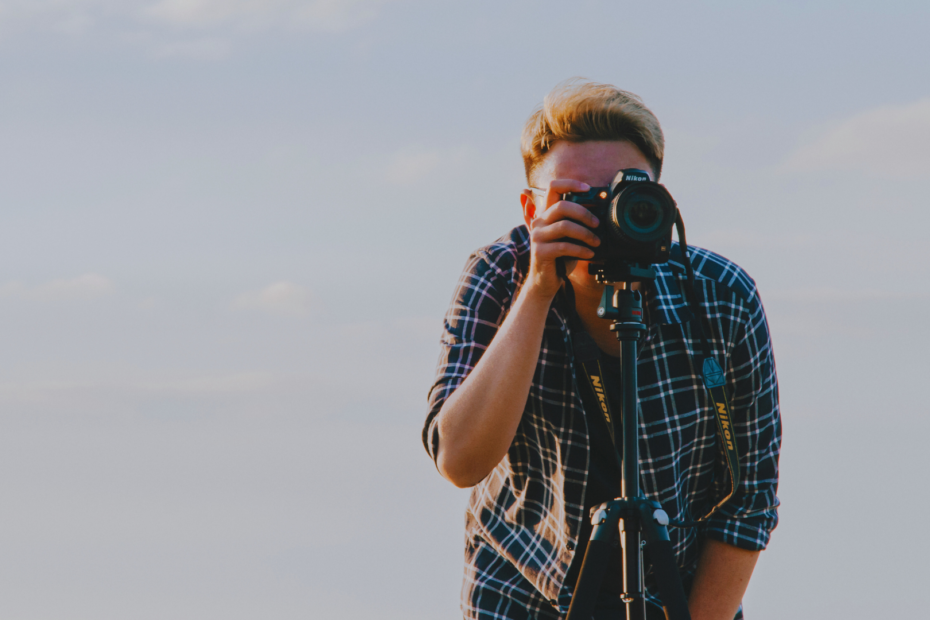
Experimentation is key to developing a unique photography style. By trying different techniques and approaches, photographers can discover new ways to express their creativity and enhance their skills. Embracing various photography styles can lead to unexpected inspiration and a deeper appreciation for this art form.
Photographers can begin by exploring categories such as portrait, landscape, macro, and street photography. Each style offers distinct challenges and opportunities to capture emotions, narratives, and environments in unique ways. Engaging with these styles will not only broaden their technical skills but also invigorate their artistic vision.
Inspiration can come from many sources, including studying the work of established photographers or participating in workshops. By observing others and stepping outside their comfort zones, photographers can cultivate a diverse portfolio that reflects their artistic growth.
Understanding Photography Styles
Photography encompasses a wide range of styles, each offering unique ways to express creativity. By exploring different genres and recognizing photography as an art form, individuals can develop their skills and find their personal voice.
Exploring Genres
Photography genres can be categorized based on subjects and techniques employed. Some popular genres include:
- Portrait Photography: Focuses on capturing individuals or groups, often emphasizing expression and personality.
- Landscape Photography: Aims to showcase natural scenery, utilizing wide-angle lenses and varying lighting to convey mood.
- Street Photography: Documentation of everyday life in public spaces, often emphasizing spontaneity and candid moments.
- Wildlife Photography: Captures animals in their natural habitats, requiring patience and often specialized equipment.
- Fashion Photography: Highlights clothing and accessories, often featuring models in stylized settings to portray trends.
Each genre offers a unique perspective, inviting photographers to experiment and refine their techniques.
Photography as an Art Form
Photography transcends mere documentation, serving as a profound art form. Through various styles such as abstract photography, artists can manipulate light, shadow, and composition to evoke emotion. This creative process involves:
- Choosing a Subject: Assessing what resonates personally or culturally.
- Composing the Shot: Applying principles of design to guide viewers’ attention.
- Editing: Utilizing software to enhance images, pushing the boundaries of traditional photography.
By approaching photography as an art, photographers can explore deeper themes and narratives within their work.
The Role of Creativity
Creativity plays a vital role in photography, influencing every decision from concepts to execution. A photographer can engage with their inner vision by:
- Experimenting: Trying different techniques, angles, and lighting can lead to unexpected results.
- Finding Inspiration: Exploring the works of other photographers or artists can spark new ideas.
- Personalizing Style: Developing a unique combination of techniques and genres fosters individuality.
Encouraging creativity not only enhances technical skills but also invites personal expression, making each photograph a reflection of the artist’s perspective.
Technical Mastery and Equipment
Understanding the technical aspects of photography is crucial for experimenting with various styles. Selecting the appropriate equipment and mastering lighting techniques greatly influences the outcome of images. Each component plays a significant role in achieving desired results.
Camera and Lens Selection
Choosing the right camera can significantly impact photographic style. A mirrorless camera offers versatility and compactness, making it suitable for various shooting scenarios. The selection of lenses is equally important; macro lenses excel in capturing intricate details, while wide-angle lenses are ideal for landscapes.
Photographers should also consider lens aperture, which affects depth of field. A wider aperture (e.g., f/1.8) allows for a shallow depth of field, creating a beautiful bokeh effect. In contrast, a smaller aperture (e.g., f/16) increases depth of field, keeping more elements in focus.
Lighting Techniques
Effective lighting is essential for photography. Understanding both natural light and artificial light can help photographers create different moods. For instance, shooting during the golden hour provides soft, warm light, enhancing subject appeal.
Manipulating light and shadow can also add depth to images. Reflectors can redirect light, while diffusers soften harsh sunlight. Additionally, using external flashes or continuous LEDs can offer control over artificial lighting conditions.
Utilizing light modifiers can also change the quality of light, improving overall aesthetics. Photographers should experiment with various light sources to understand their impact on different styles.
Achieving Sharpness and Clarity
Sharpness and clarity are fundamental to impactful photography. Using a tripod can help stabilize the camera, particularly in low-light conditions or during long exposures. This reduces the risk of motion blur and enhances image quality.
Focus stacking is another technique that improves sharpness, especially in macro photography. By taking multiple images at different focus points and blending them, photographers achieve an enhanced depth of field.
Post-processing techniques can also aid clarity. Software like Lightroom or Photoshop allows for precise sharpening adjustments, ensuring that images retain their details even when displayed in large formats.
The Impact of Light and Color
Light and color play crucial roles in photography, influencing mood, composition, and the overall aesthetic of an image. Understanding these elements allows photographers to experiment effectively with different styles.
Painting with Light
Light is a fundamental component in photography, creating highlights and shadows that define subjects. Natural lighting offers a range of qualities, from soft, diffused light during golden hour to harsh midday sun.
Photographers can also employ artificial light sources, such as strobes or continuous lights, to shape their images. Techniques like light painting utilize long exposure to create captivating effects. By deliberately controlling light placement, they can add depth and dimension to their work.
Understanding Color Theory
Color theory involves the study of how colors interact and influence perceptions. Primary colors—red, blue, and yellow—combine to form secondary colors, expanding a photographer’s palette.
Colors evoke emotions and can steer the viewer’s mood. For example, warm tones like red and orange can create a sense of warmth and intimacy, while cool tones such as blue and green often convey calmness. Utilizing color schemes, such as complementary or analogous colors, enhances visual harmony and impact in images.
Mood and Atmosphere
The interplay of light and color also significantly impacts the mood and atmosphere of a photograph. Soft, diffused light often creates a serene or romantic ambiance, while stark, high-contrast lighting can evoke tension and drama.
Incorporating various color temperatures can dramatically shift mood. Warm light tends to invite positivity, whereas cooler lights introduce a sense of detachment or melancholy. Photographers should carefully consider these factors to select the appropriate style and mood for their projects.
Composition and Detail in Photography
Effective composition and attention to detail can significantly enhance a photograph. By understanding framing, perspectives, and the intricate details in a scene, photographers can create compelling images that tell a story and capture the viewer’s attention.
Framing and Perspectives
Framing is a crucial aspect of photography, guiding the viewer’s eye toward the subject. Using elements within the environment, such as branches or windows, can create natural frames that add depth.
Different perspectives can transform a common scene into something striking. Low angles can emphasize a subject’s height, while high angles can provide context and a unique overview. Experimenting with these techniques helps to identify what works best for the intended mood and message.
The Art of Storytelling
Storytelling is central to photography. Each image should evoke emotion or provoke thought. It often involves portraying a moment in time that resonates with viewers.
Including elements that signify a narrative enhances the image’s impact. For instance, showing a person in an expressive pose can suggest a backstory. Incorporating context, like environmental factors or objects, can also add layers to the photograph.
Capturing Texture and Detail
Textures play a pivotal role in adding depth and interest to photographs. Macro photography is ideal for showcasing intricate details in subjects such as flowers or insects.
Using natural light can reveal textures that might go unnoticed. Shadows and highlights further enhance the visual appeal. Focusing on minute details fosters a more immersive experience, allowing viewers to appreciate the nuances of the subject.
Incorporating diverse textures—smooth, rough, soft, or hard—creates visual variation. This interplay between texture and detail can elevate photographs, resulting in rich, engaging imagery.