
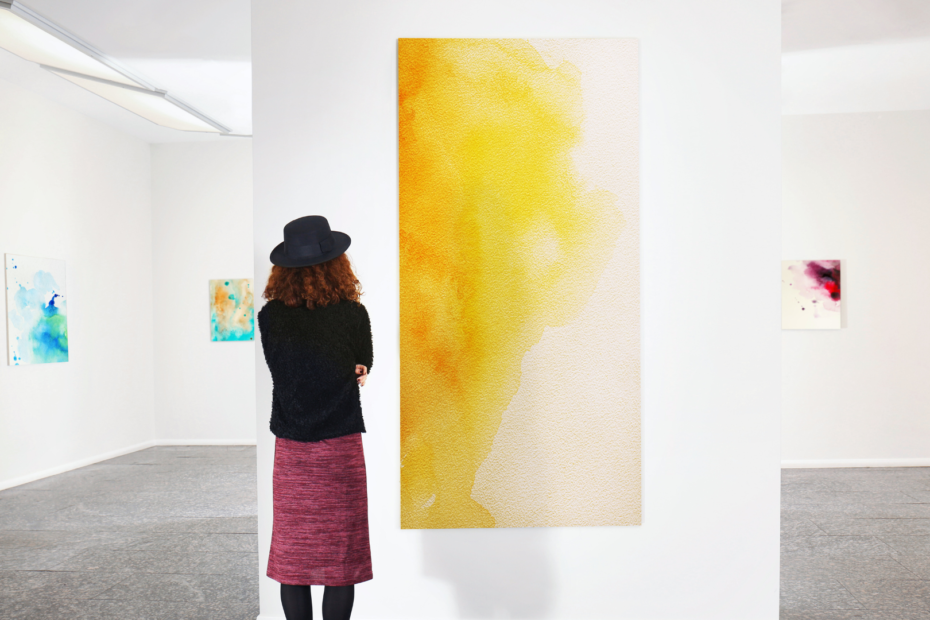
Abstract art serves as a mirror reflecting not only the world around us but also the complexities of human thought. It encourages viewers to step outside conventional interpretations and forge their own connections with the artwork. This process challenges traditional ways of thinking by inviting personal interpretation and emotional responses, rather than a singular narrative.
Through layers of color, form, and texture, abstract art removes explicit representation, prompting a deeper engagement with the viewer’s imagination and experiences. Each piece can evoke a multitude of reactions, often leading to discussions about perception and the nature of reality itself. By confronting the viewer with ambiguity, abstract art pushes them to explore ideas and emotions beyond those immediately apparent.
The impact of abstract art is not limited to the gallery walls; it resonates in daily life, encouraging creative problem-solving and innovative thinking. As individuals learn to embrace uncertainty and complexity, they can carry this mindset into other areas, fostering growth and adaptability. This transformative potential of abstract art not only enriches artistic expression but also enhances critical thinking skills.
Defining Abstract Art
Abstract art represents a departure from traditional representation, focusing instead on forms, shapes, colors, and lines to evoke emotions and provoke thought. It redefines the viewer’s experience of art by prioritizing aesthetic sensations over recognizable subjects.
Historical Origins and Influential Artists
Abstract art emerged in the late 19th and early 20th centuries as artists sought new ways to express emotions and ideas. Key figures include Wassily Kandinsky, one of the first to create non-representational works, emphasizing color and form as central elements.
Piet Mondrian contributed to the abstraction movement with his use of geometric shapes and primary colors, aiming for harmony and order. Meanwhile, Mark Rothko explored emotional depth through large fields of color, intending to create intimate experiences for viewers. Jackson Pollock pioneered action painting, where the artist’s physical movement became part of the artwork, challenging notions of control and authorship.
Characteristics of Abstract Art
Abstract art is defined by its use of form, shape, color, and line rather than depicting objects or real scenes. Artists often prioritize emotional expression and visual elements over representational accuracy.
Key characteristics include:
- Use of Color: Colors in abstract art are often vibrant and emotionally charged, inviting subjective interpretation.
- Geometric and Organic Shapes: Artists employ both straight and curved lines to create dynamic compositions that do not adhere to realistic depictions.
- Fluidity and Movement: Many works convey a sense of motion, reflecting the artist’s interaction with materials or the surrounding environment.
Through these elements, abstract art invites viewers to engage with their own perceptions and emotions actively.
Abstract Art and the Viewer’s Experience
Abstract art uniquely engages viewers, eliciting varied emotional responses and personal interpretations. The ambiguity inherent in these artworks invites reflection and fosters creativity, impacting cognitive processes in distinct ways.
Emotional Responses and Interpretation
Abstract art often generates strong emotional responses, as viewers project their feelings onto the work. The lack of representational forms allows for personal interpretation, making each experience unique. Individuals might feel joy, confusion, or sadness when engaging with these pieces.
The emotional resonance of an artwork is influenced by color, shape, and texture. Bold colors can evoke excitement, while muted tones may suggest calm. This connection encourages viewers to explore their feelings deeply, promoting mindfulness and self-reflection as they relate personally to the art.
Evoking Imagination and Creativity
Engagement with abstract art stimulates imagination, urging viewers to fill in gaps left by ambiguity. This open-ended approach activates creative thinking, prompting individuals to envision stories or concepts associated with the visuals. The experience enhances problem-solving skills as viewers explore different interpretations.
Unlike traditional art forms, abstract works do not dictate meaning. This freedom encourages exploration of new ideas and fosters innovation in thought. As imagination flourishes, individuals may discover connections between art and their personal experiences, bolstering creative expression.
Influence on Cognitive Processes
Abstract art stimulates specific cognitive processes, notably in areas like the prefrontal cortex and occipital lobe. These brain regions are responsible for higher-order thinking and visual processing, respectively. Engagement with abstract forms enhances pattern recognition skills and encourages flexible thinking.
Additionally, viewing abstract art has been linked to stress reduction. The undirected focus inherent in observing such works can lead to a meditative state, promoting relaxation and cognitive clarity. This unique experience challenges individuals’ usual ways of thinking, reinforcing the transformative power of abstract art in cognitive exploration.
Abstract Art in the Context of Modern Society
Abstract art serves as a vital lens through which modern society can explore complex ideas and foster meaningful dialogue. Its presence in museums and educational spaces encourages introspection and exploration of personal interpretations.
Abstract Art in Museums and Education
Museums play a crucial role in presenting abstract art, inviting visitors to engage beyond surface aesthetics. They curate exhibits that challenge viewers to question perceptions and develop insights.
Educational programs often incorporate abstract art to teach critical thinking skills. Students analyze pieces to explore emotion, technique, and context. This practice fosters mindfulness and introspection, encouraging individuals to connect with their feelings through creative expression.
The Role of Abstract Art in Dialogue and Self-Reflection
Abstract art promotes dialogue by breaking conventional boundaries in communication. It invites varied interpretations, stimulating conversation among different perspectives.
In self-reflection, viewers are prompted to meditate on their responses to art. Experiences can vary widely; one viewer may find chaos while another discovers harmony. This diversity in understanding cultivates deeper personal insight and promotes an environment of exploration and tolerance for differing viewpoints.
Neuroscience Behind Viewing Abstract Art
Neuroscience reveals how the brain processes abstract art, impacting thought and emotion. Research by Eric Kandel, a renowned neuroscientist from Columbia University, emphasizes that viewing art activates various brain regions.
When observing abstract art, the occipital lobe engages first, handling initial visual inputs. This area processes shapes and colors, forming the basis for recognition.
The prefrontal cortex plays a critical role in evaluating art. It assesses meaning, context, and emotional responses, contributing to the viewer’s experience. Abstract art often elicits strong emotions, further activating this brain region.
Pattern recognition is crucial when interpreting abstract works. The brain seeks familiar elements or forms, even in non-representational art. This can lead to varied personal interpretations, as individuals may connect their experiences to the piece viewed.
In studies, abstract art has shown to enhance creativity and promote divergent thinking. Engaging with these pieces may shift cognitive pathways, encouraging openness to new ideas.
In summary, the experience of viewing abstract art is not just visual; it is a cognitive journey that stimulates emotional and intellectual responses within the brain.