
Photography is a beautiful and versatile art form that can capture moments that you might have otherwise missed.
Below, we’re going to share with you some photography tips that will help you capture that unique moment and turn it into a beautiful photo!
Get Close to Your Subject
Getting close to your subject is essential for capturing that unique moment. Photographers should always be aware of their distance when shooting. This will help them ensure the most natural framing.
Move in close and fill the frame with your subject to make any portrait more impactful. Capture your subject’s personality and emotions by shooting from different angles.
When capturing a still-life object, move in closer to bring out its details or features. This will help draw your viewers in and become the focal point of the image.
Now, there might be situations where it may be dangerous or impractical for photographers like you to get close to subjects, such as in hazardous environments or during emergency situations, drones can provide a safer alternative. You can operate drones from a distance, reducing personal risk while still capturing close-up images and footage.
In situations like these, the aerial perspective offered by drones allows photographers to experiment with creative composition techniques, such as framing subjects against interesting backgrounds or incorporating dynamic elements like leading lines and patterns. This can result in visually compelling images that highlight the subject in a unique and engaging way.
You can consider doing this on your own or you could request some assistance from professionals, for which you can use the search words “aerial photography melbourne” to look up relevant professionals that fit your mold. Alternatively, look for others as well based on where exactly you might be located.
The end goal is to try experimenting with a variety of distances. With this, you can capture the right moment and create a stunning image.
Capturing Natural Light
One of the best ways to capture natural light is to find a location that offers bright and cheerful surroundings. When shooting outdoors, try to avoid direct sunlight.
You can do this by positioning yourself in an area with some shade. When indoors, look for windows that let in natural light.
Remember that different types of light will affect your photo differently. If you’re photographing a person, try to avoid using too much artificial light.
This can make people look artificially lit and fake. Instead, use indirect lighting or take pictures during the daytime when the sun is out.
If you want to add a little bit of interest or drama to your photos, experiment with using shadows and highlights. Shadows can create an interesting effect. It can do this by making your subject seem smaller or more mysterious.
Highlights can make your photo look bright and happy. This can add an element of excitement or energy.
Shooting in Low Light
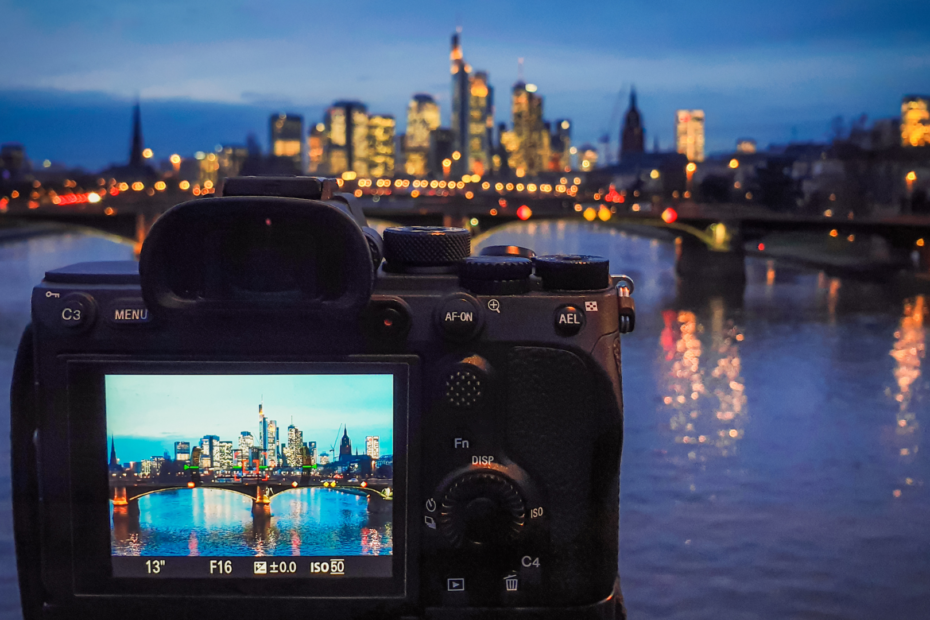
When shooting in low light, it’s important to keep your ISO low and your shutter speed high. This will help you avoid camera shakes and ensure that your photos are well-lit. Additionally, use a tripod to stabilize your shots and reduce blur.
If you’re photographing people, try to use a faster shutter speed to freeze their movement. This will help create a more powerful image. To reduce ambient light from entering the frame, try using a closed aperture or setting your ISO low.
Finally, try to find an appropriate lighting situation for the scene you’re shooting. If it’s a dark room, for example, use some artificial light to help improve your images.
Experiment With Angles and Perspectives
Playing around with angles and perspectives can help you capture that unique moment in a photograph. By changing the perspective, you can create a more interesting and engaging photo.
For example, take a picture of your friend at the pool sitting on a floating chair. Instead of taking the usual frontal shot, take a shot from above looking down at your friend. This will give your picture a unique perspective that is sure to make it stand out.
Another great way to add interest to your photos is by using different angles to shoot from. For instance, try shooting from up high or low down to get a different perspective on your subject. You could also use an overhead shot or an angled view to show off an area of your subject in more detail.
Choose the Right Lens
There is no one right lens for every photo opportunity. That’s why it’s important to choose the right lens for the situation.
When shooting landscapes, a wide-angle lens will give you a more expansive view of the landscape. They can let you capture more of the surrounding environment.
When shooting close-ups, a telephoto lens will let you get in closer to your subject. With this type of lens, you can create a more intimate image.
If you’re shooting people, a medium-length lens will generally be ideal. These will let you capture both their features as well as their surroundings.
Finally, if you’re looking to take photos of nature or architecture, go with a long focal length lens. Doing so will give you the most dramatic shots.
Be Creative
Be creative and have fun with photography for that unique moment. Take your camera with you wherever you go, even if you don’t plan on shooting. You never know what you’ll find!
Use a simple background to focus attention on your subject matter. Capturing portraits or candids adds a human element to your photography. Keep practicing to hone your skills and your vision.
Use time-lapse photography to document a fleeting moment or story. And finally, don’t be afraid to step outside of your comfort zone. Be creative and have fun pushing the boundaries.
Protecting and Managing Professional Photography Work
When working as a professional photographer, protecting and managing your work is just as important as capturing high-quality images in the first place.
One key step is applying clear copyright notices and watermarks to your images before publishing them online. This helps establish ownership and discourages unauthorized use of your work.
It is also important to maintain organized archives of original files, including RAW images and metadata, so you can verify authenticity and resolve disputes if needed.
In addition, photographers can use ai reverse image search tools to monitor where their images are being used across the internet and detect any unauthorized reproduction or manipulation.
Finally, regularly reviewing online platforms and portfolios ensures that your work is properly credited, while also helping you take timely action against misuse or copyright infringement.