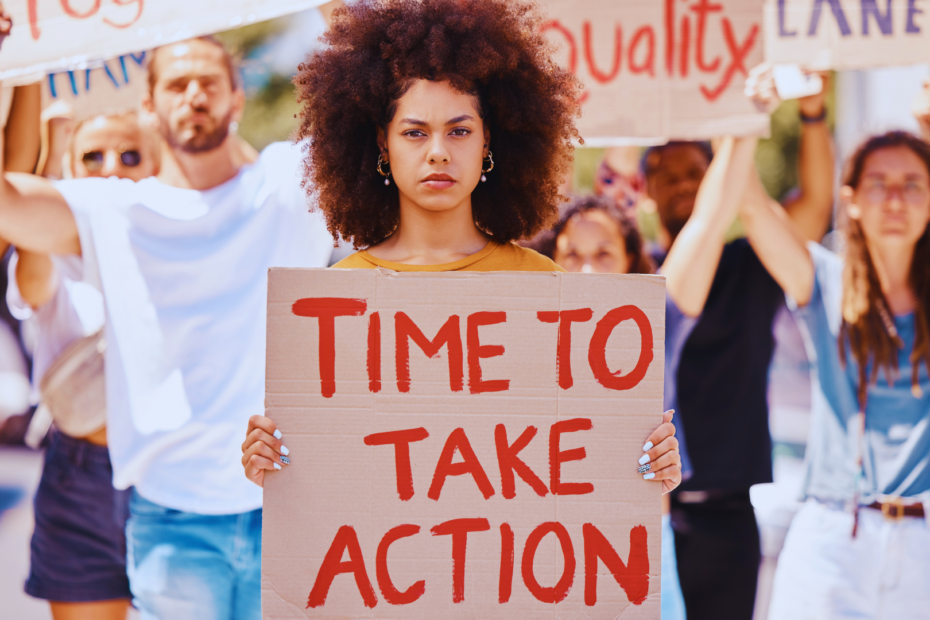
Music has long served as a powerful tool for social change, with its ability to unite people under a common cause. Activists and musicians alike have recognized that song can amplify messages of justice and resistance, creating an emotional connection that inspires action. Through lyrics that resonate and melodies that inspire, music can drive activism effectively by raising awareness and mobilizing communities.
In numerous movements throughout history, music has played a pivotal role in communicating messages that challenge the status quo. Songs can reflect the struggles of marginalized groups, galvanizing supporters and providing a rallying cry for change. The right anthem can turn a protest into a movement, leaving an indelible mark on both participants and observers.
The intersection of music and activism continues to evolve in today’s digital age, with platforms allowing for widespread dissemination and engagement. Artists leverage their influence to promote important social issues, making their music a catalyst for conversation and action. By tapping into the collective spirit of a generation, music can effectively nurture a culture of activism that bridges divides and fosters solidarity.
The Historical Intersection of Music and Activism
Music has long served as a significant tool for activism, inspiring movements and uniting people in the fight for social change. Throughout history, musicians have harnessed the power of song to address injustices, amplify voices, and encourage political participation.
Music as a Vehicle for Civil Rights
During the Civil Rights Movement, music played a pivotal role in galvanizing support and promoting a sense of community. Songs like “We Shall Overcome” became anthems of hope and resilience, reflecting the struggles faced by those fighting for equality.
Prominent figures such as Sam Cooke and Aretha Franklin used their platforms to address racial discrimination. These artists infused their performances with messages of justice, inspiring listeners to take action.
Additionally, genres like blues and gospel brought attention to the hardships of African Americans. This musical expression highlighted systemic inequalities and helped to foster solidarity among activists. The intersection of music and civil rights not only offered comfort but also propelled the movement forward.
Modern Music and Its Role in Shaping Activism
Modern music plays a pivotal role in amplifying social issues and mobilizing activism. Through various channels, artists leverage their influence to inspire change and raise awareness on critical topics.
Music in Media and Its Impact on Activist Movements
Music in media serves as a powerful tool for activism, reaching diverse audiences quickly. Songs that address social and political issues often become anthems for movements, enhancing solidarity among listeners.
Noteworthy examples include “This Is America” by Childish Gambino and “Fight the Power” by Public Enemy, both of which highlight racial injustice. Such tracks are frequently shared on social media, increasing their impact.
Additionally, music videos and documentaries can visually narrate stories of struggle, fostering empathy and understanding. Platforms such as Spotify and Apple Music also curate playlists focused on activism, making it accessible for users to engage with these important messages.
Concerts and Tours: Platforms for Raising Awareness
Concerts and tours increasingly serve as platforms for social change, where musicians directly engage with their audiences. Events like the “Women’s March on Washington” unite artists and fans in support of various causes.
Artists often use their stage time to advocate for voter registration, environmental issues, and human rights. For instance, Beyoncé’s “Global Citizen Festival” focused on global poverty, demonstrating music’s ability to unite people for a common cause.
Moreover, merchandise sold at these events frequently donates proceeds to charitable organizations. By creating a communal experience, concerts inspire listeners to take action, making music an integral part of contemporary activism.
The Psychological Influence of Music on Empathy and Community Building
Music has a profound effect on human emotions and social connections. It can evoke empathy and unite individuals within a community, enabling collective action for social justice.
Fostering Empathy Through Music
Music engages listeners on an emotional level, often allowing them to connect with the experiences of others. Lyrics that speak to personal struggles or shared joys can create a sense of understanding and compassion.
Studies indicate that when individuals listen to songs that narrate specific stories or experiences, they are more likely to resonate with those emotions. This can enhance their ability to empathize with marginalized groups.
Genres like folk, blues, and hip-hop frequently highlight social issues, further promoting awareness and understanding. By experiencing these narratives through art, listeners may feel motivated to act in solidarity with affected communities.
Music as a Tool for Community Engagement and Solidarity
Group music-making activities, such as community choirs or drum circles, foster social bonds and collective identity. These engagements often bring together diverse individuals, promoting inclusivity.
Participating in music events can strengthen community ties, as shared musical experiences create lasting memories. Music festivals and concerts often serve as platforms for social justice movements, attracting attention to key issues.
Through collaborative efforts, such as benefit concerts, communities rally around causes. This collective action can emphasize unity and support for social change. By harnessing music, communities can create an environment of solidarity that inspires activism.