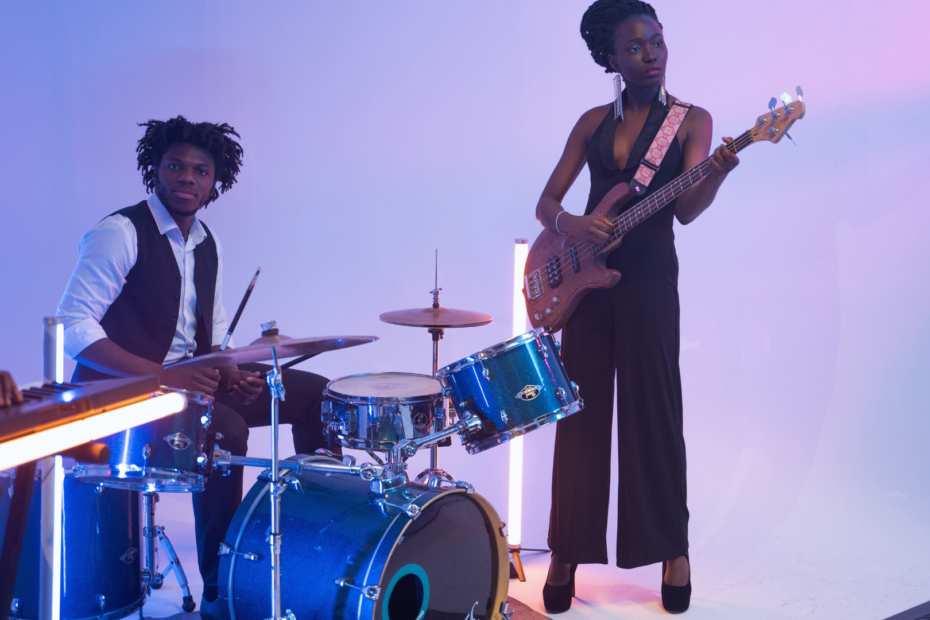
Funk music has undergone a significant evolution, shaped by its roots in African-American music traditions, social movements, and influential artists. James Brown stands at the forefront of this genre’s development, blending rhythm and groove in ways that revolutionized popular music. The rise of funk in the 1960s and 1970s coincided with the Civil Rights Movement, reflecting the cultural and political landscape of the time.
As artists experimented with rhythm-driven sounds, funk grew into a powerful expression of community and identity. Its infectious beats and lively performances provided a backdrop for dancing while also addressing social issues. The genre’s ability to merge social commentary with entertainment made it a vital outlet for many musicians seeking change.
Funk did not remain static; it evolved, influencing and integrating with other genres like soul, disco, and hip-hop. This fusion created a rich tapestry of sound that continues to inspire musicians today, ensuring that the legacy of funk endures in the fabric of contemporary music.
Origins and Early Development
Funk music emerged from a rich tapestry of musical influences, where African rhythms blended with jazz and the evolution of soul and rhythm and blues. It set the stage for influential artists who shaped its sound and laid the groundwork for the genre.
Roots in African Rhythms and Jazz
The roots of funk are deeply embedded in African rhythms. Traditional African music features complex polyrhythms that have been key to the development of funk’s distinctive groove.
As jazz evolved in the United States, it incorporated these rhythmic patterns. Musicians began experimenting with syncopation and improvisation. Key figures like Louis Armstrong and Duke Ellington set the framework for a new style of music that would later influence funk.
Jazz provided a platform for musicians to explore new sounds, paving the way for the bold arrangements that characterize funk music.
Rise of Soul and Rhythm and Blues
In the 1950s, soul and rhythm and blues emerged as powerful genres, providing a bridge between gospel music and popular music. Artists like Ray Charles and Sam Cooke infused deep emotional expression into their work, which enriched the foundations of funk.
Rhythm and blues featured strong backbeats and repetitive rhythms that influenced funk’s development. Bands began to experiment with elongated grooves, creating a danceable sound.
This evolution from gospel’s spiritual intensity to the upbeat rhythm of soul was crucial. It drew in diverse audiences and laid the groundwork for funk’s unique style.
George Clinton and Parliament-Funkadelic
George Clinton played a pivotal role in shaping funk music. As the mastermind behind Parliament-Funkadelic, he successfully blended psychedelic rock with funk, creating a unique sound.
Their albums, like “Mothership Connection,” showcased elaborate costumes and theatrical performances, which redefined live music. Clinton’s innovative approach incorporated funk’s grooves with themes of science fiction and Afrocentrism.
Parliament-Funkadelic’s influence transcended genres, making them icons in both funk and popular music. Their contribution to the genre highlighted the fusion of diverse musical styles.
James Brown and the Birth of Funk
James Brown, known as the “Godfather of Funk,” was instrumental in defining the genre. His emphasis on rhythm over melody revolutionized popular music. Songs like “Papa’s Got a Brand New Bag” featured distinctive guitar riffs and intense brass sections.
Brown’s tight-knit band created a unique sound characterized by syncopated rhythms and memorable hooks. His relentless work ethic and electrifying performances set a standard for future funk artists.
The impact of Brown’s music cannot be overstated. He forged a new musical path that inspired countless musicians and solidified funk’s place in music history.
The Golden Age of Funk
The Golden Age of Funk, primarily spanning the 1970s, marked a significant period in the evolution of music. Characterized by innovative rhythms, powerful grooves, and vibrant dance music, this era saw the rise of influential bands and musicians who shaped the genre.
The Explosion of Funk in the 1970s
The 1970s experienced an explosion of funk music, building on the foundations laid in the late 1960s. Artists like Sly and the Family Stone blended rock and soul, creating accessible funk rhythms. This decade showcased a shift where funk became mainstream, with tracks focusing on deep grooves and infectious beats.
Funk’s popularity surged through dance clubs, where people embraced the lively sound. The music’s emphasis on rhythm encouraged innovative dance styles, making it a cultural movement rather than just a genre. This period solidified funk’s role in shaping the broader music landscape.
Funk Bands and Key Figures
Key figures emerged during this vibrant decade, leaving an indelible mark on the genre. George Clinton, the mastermind behind the P-Funk collective, introduced an eclectic mix of sounds, combining funk, rock, and psychedelia. His vision fostered bands like Parliament and Funkadelic, renowned for their theatrical performances and rhythmic complexity.
Other notable bands included Earth, Wind & Fire, known for their rich horn sections and soulful melodies. The combination of powerful vocals, intricate bass lines, and tight horn arrangements defined the funk sound. These artists not only pushed musical boundaries but also influenced future generations.
P-Funk and Psychedelic Funk
P-Funk represents a unique subgenre that fused funk with psychedelic influences. George Clinton’s vision led to elaborate concepts and surreal themes in music and performances. The use of synthesizers, horn arrangements, and funk rhythms created a distinct sound that captivated listeners.
Notable tracks like “Flash Light” showcased the innovative use of bass and electronic elements. This era’s psychedelic funk incorporated colorful visuals and theatricality into live shows, making performances a multi-sensory experience. The P-Funk movement expanded the genre’s reach significantly.
Influence on Popular Culture and Fashion
Funk’s impact on popular culture extended beyond music into fashion and lifestyle. The era saw vibrant clothing styles, characterized by bold colors, patterns, and elaborate designs. Influential artists set trends that reflected the music’s energetic spirit.
Dance culture thrived, inspiring styles such as the hustle and breakdancing. Funk music became synonymous with celebration and self-expression, transforming social dynamics. The genre’s reach into movies and television further solidified its cultural significance, influencing countless artists across various genres.
Funk’s Evolution and Crossover
Funk music has undergone significant transformation since its inception, blending with various genres and adapting to technological advancements. This section explores key influences, collaborations, and the enduring legacy of funk across multiple music styles.
Disco, Hip-Hop, and New Genres
Funk’s rhythm and grooves heavily influenced the disco era of the 1970s. Artists like Chic incorporated funk’s basslines and syncopated rhythms into their hits, creating dance tracks that dominated the clubs.
The emergence of hip-hop in the late 1970s saw funk samples become foundational. DJs and producers, such as Kool Herc, utilized funk tracks for breakbeats, giving rise to a new sonic culture. This crossover transformed funk’s legacy, allowing it to inspire genres like electro and acid jazz.
Technological Advances in Funk
The introduction of synthesizers and drum machines in the late 1970s reshaped funk music. Artists began experimenting with electronic sounds, leading to subgenres like funk rock and electro-funk.
Parliament-Funkadelic and Prince were notable for their fusion of funk with electronic elements. Their innovative use of technology not only changed the sound of funk but also influenced the rise of electronic dance music in the 1980s.
The 1980s and Beyond
The 1980s marked a significant period for funk with the emergence of funk rock and pop influences. Artists like Rick James and Prince blended rock guitars with funk grooves, creating chart-topping hits.
This decade also saw funk’s integration into mainstream pop music. Artists such as Michael Jackson and Madonna incorporated funk elements, expanding its reach. As the decades progressed, funk continued to evolve, influencing genres such as R&B, hip-hop, and later, techno.
Enduring Influence on Modern Artists
Funk’s impact is evident in the works of contemporary artists. Musicians like Anderson. Paak and Bruno Mars draw from funk’s rich history, incorporating its lively rhythms and catchy hooks into their music.
They use live instruments and nostalgic sounds to appeal to both old and new audiences. This revival showcases funk’s adaptability and enduring relevance in today’s pop culture, signifying its lasting legacy across musical landscapes.